In the world of gold mining, the Placer Gold Washing Plant plays a crucial role in extracting valuable minerals from sediment. Renowned expert Dr. James Hawthorne, a leading figure in the placer mining industry, emphasizes, "A well-designed washing plant can significantly enhance gold recovery rates." This statement reflects the importance of technology and innovation in the field.
Placer gold mining involves sifting through soil and gravel to find gold nuggets and particles. A Placer Gold Washing Plant uses water and mechanical processes to separate gold from other materials. This method has its complexities. Operators must constantly adjust equipment to ensure optimal performance. Equipment malfunctions can lead to lost precious material, which underscores the need for experienced operators.
The industry faces challenges. For instance, environmental concerns have made it essential to adopt eco-friendly practices. Balancing profitability with sustainability is not easy. Nevertheless, advancements in washing plant technology promise a more efficient and responsible gold extraction process. The continuous evolution of placer technology is crucial for the future of this industry.
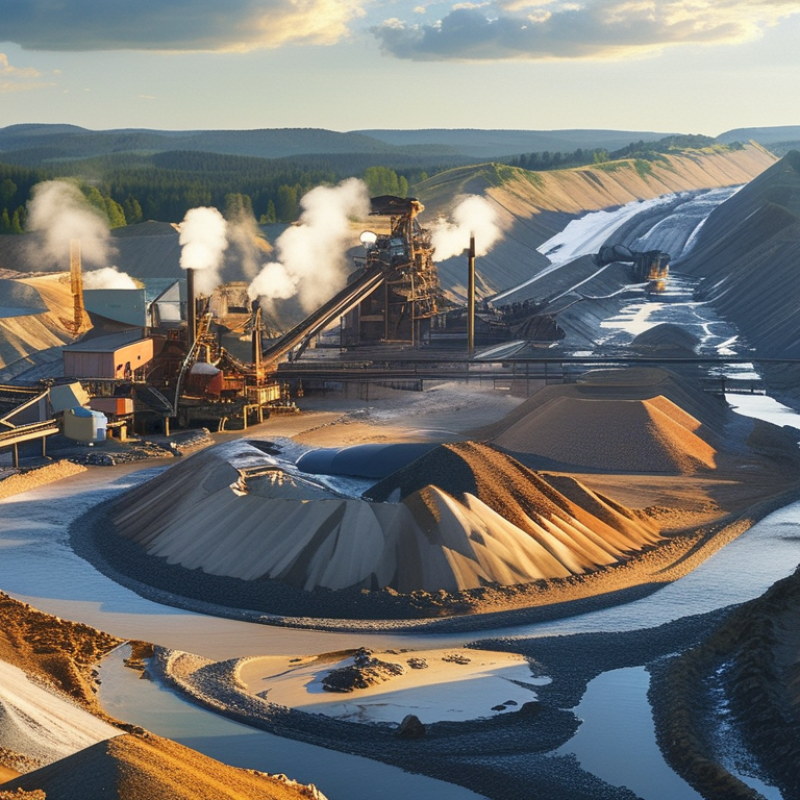
Placer gold refers to particles or nuggets of gold found in riverbeds, alluvial deposits, or sediment. Unlike hard rock gold, which is extracted from veins in solid rock, placer gold accumulates due to erosion and weathering. This natural process allows gold to be easily separated from other materials. According to the U.S. Geological Survey, placer mining has contributed to about 25% of the gold production in the United States over the years, highlighting its significance in the gold mining industry.
The methods of extracting placer gold are varied, but they often involve gravity separation techniques. This includes using sluice boxes and shaking tables. Studies indicate that recovery rates can range significantly, often falling between 60% to 90% for well-optimized operations. However, these techniques depend heavily on the specific conditions of the site, including sediment type and water flow. Despite advancements in technology, placer gold mining still faces challenges such as environmental impact and fluctuations in gold prices. Understanding these dynamics is crucial for miners and investors alike.
A placer gold washing plant is a vital component in gold extraction. These plants primarily use water and mechanical processes to separate gold from other materials in river beds and soil. Understanding the components involved is crucial for effective operations.
Key components of a placer gold washing plant include the feeder, hopper, sluice box, and water source. The feeder introduces raw material into the system, ensuring a steady flow. A hopper helps in managing larger debris, preventing clogs. Sluice boxes are designed with riffles, which capture gold as material flows over them. According to industry reports, efficient sluice box design can increase gold recovery rates to over 90%, emphasizing its importance.
Water plays a critical role in these systems. It serves as a medium to transport materials while providing the necessary energy to separate gold from heavier particles. Reports state that approximately 90% of placer operations rely on water for effective gold recovery. However, excessive water usage can be an issue, raising environmental concerns. Operators must strike a balance to ensure sustainable practices while optimizing recovery. Understanding and refining these components can lead to more effective placer gold processing.
Placer gold washing involves a systematic process to extract gold from sediment. The initial step is gathering materials from riverbeds or stream banks. The collected soil is screened to remove larger stones and debris. This improves efficiency in separating gold from unwanted sediments.
Next, the material enters a washing plant. Water is crucial here; it helps break down the soil and carries lighter materials away. The denser gold particles settle due to gravity. Using riffles in the sluice box creates a trap where gold can accumulate.
Tip: Regularly check the water flow rate. Adjusting it can maximize recovery rates.
After washing, the remnants are checked for any leftover gold. Careful inspection is essential. Sometimes, small gold flakes can remain unnoticed. Efficient workers often better their methods through practice. Reflecting on processes leads to improved techniques over time.
Tip: Always keep a log of your findings. This data aids in understanding the efficiency of your washing plant. Measurements help in refining future operations. A well-organized approach beats hasty actions, ensuring higher gold recovery rates.
Placer gold washing plants utilize several key technologies to enhance gold recovery.
One of the most critical components is the sluice box.
This device captures gold particles as water flows through it, allowing lighter materials to wash away.
A well-designed sluice box can achieve a recovery rate of up to 90% or more, depending on the conditions.
Another technology commonly employed is the use of vibrating screens.
These screens separate larger rocks and debris from finer materials. As a result, this process increases the efficiency of gold separation.
Data from industry reports indicate that incorporating vibrating screens can improve the overall recovery rate by up to 20%.
However, it’s important to note that these systems may require regular maintenance to function optimally.
Failure to clean or adjust equipment can lead to significant losses in recovery. Moreover, operators must remain aware of environmental impacts.
There are ongoing debates about the sustainability of placer mining practices.
Not all technologies are equally effective in every location. Hence, experimentation with different technologies may be necessary to find the best solution.
Environmental considerations play a crucial role in placer gold mining operations. According to the U.S. Geological Survey, placer mining can severely disrupt ecosystems. The process often involves significant land disturbance, which affects soil composition and local flora. For example, a 2020 report highlighted that up to 40% of the land in some mining regions could experience habitat degradation.
Water usage is another key concern. Many placer gold washing plants rely on large volumes of water, which can lead to depletion of local water sources. A study found that some mining operations consume over 1,000 liters of water per hour during peak processing times. This can impact surrounding communities and wildlife.
Furthermore, the runoff from these operations can carry heavy metals. The Environmental Protection Agency (EPA) notes that this runoff can contaminate waterways. In some cases, mercury is used to extract gold, posing a significant risk to aquatic life and human health. Addressing these issues requires a commitment to sustainable practices and regulatory compliance.
This chart illustrates the estimated production of placer gold in metric tons from 2018 to 2022, highlighting trends in production over the years.
: Placer gold includes nuggets or particles found in riverbeds and alluvial deposits. Erosion helps accumulate this gold.
Placer gold comes from weathering processes, while hard rock gold is extracted from solid rock veins.
Gravity separation techniques are often used, including sluice boxes and shaking tables. These methods leverage natural forces.
Recovery rates can vary between 60% to 90%. Conditions at the site play a significant role in determining these rates.
Sluice boxes are critical for capturing gold as water flows through them. They can achieve high recovery rates under optimal conditions.
Equipment requires regular maintenance. Neglect can lead to significant recovery losses and reduced efficiency in gold extraction.
Placer mining can disturb ecosystems and cause soil degradation. Habitat loss may affect local flora and fauna significantly.
Mining can consume large volumes of water, which can deplete local water sources. This may affect surrounding communities.
Runoff may carry heavy metals, contaminating waterways. Mercury usage poses risks to both aquatic life and human health.
Miners must commit to sustainable methods and adhere to regulations. Striking a balance is crucial to minimize impact.
A Placer Gold Washing Plant is a specialized setup designed for the extraction of placer gold, which differs from other types of gold primarily in its occurrence in stream beds or alluvial deposits. This type of gold is often more easily recoverable due to its natural occurrence in a loose, sandy matrix, making the washing process essential. The components of a placer gold washing plant typically include screens, sluices, and various separation technologies tailored to maximize gold recovery while minimizing losses.
The operation of a placer gold washing plant involves a step-by-step process that begins with feeding materials into the plant, followed by washing, screening, and separating gold from other materials. Key technologies employed in these plants enhance efficiency and recovery rates. Moreover, environmental considerations are critical in placer gold mining operations, emphasizing responsible practices to mitigate impacts on ecosystems and water sources.

Ascend