Choosing a Mobile Jaw Crusher is not simply a matter of comparing engine power or purchase price. The wrong machine may burn fuel, produce uneven aggregate, and lose hours during maintenance. A quarry manager should examine feed size, material hardness, output targets, transport limits, and local service coverage. Small details matter. A blocked jaw tells the story quickly.
Market research supports this careful approach. Grand View Research and Fortune Business Insights both identify expanding demand for mobile crushing equipment, driven by construction, recycling, and road development. Their reports also emphasize efficiency, mobility, and lower operating costs. However, market forecasts are not purchasing instructions. Site conditions still decide performance. A machine rated for 300 tonnes per hour may deliver less with wet, sticky feed.
“Crusher selection must begin with the material and the application, not the brochure,” says quarrying consultant Jim O’Brien, a widely cited specialist in crushing and screening equipment. That principle sounds obvious. It is often ignored.
This guide, “7 Tips to Choose the Best Mobile Jaw Crusher,” focuses on practical checks before signing an order. It considers jaw dimensions, diesel or hybrid power, discharge control, tracked mobility, safety systems, spare parts, and lifetime cost. Operators should inspect the chamber, ask for comparable test results, and speak with existing users. A polished demonstration can hide inconvenient maintenance access. Even experienced buyers miss things.
The best Mobile Jaw Crusher is not always the largest or newest model. It is the machine that matches the rock, the route, the crew, and the budget. Industry data can narrow the choice. Field evidence should make the final decision.
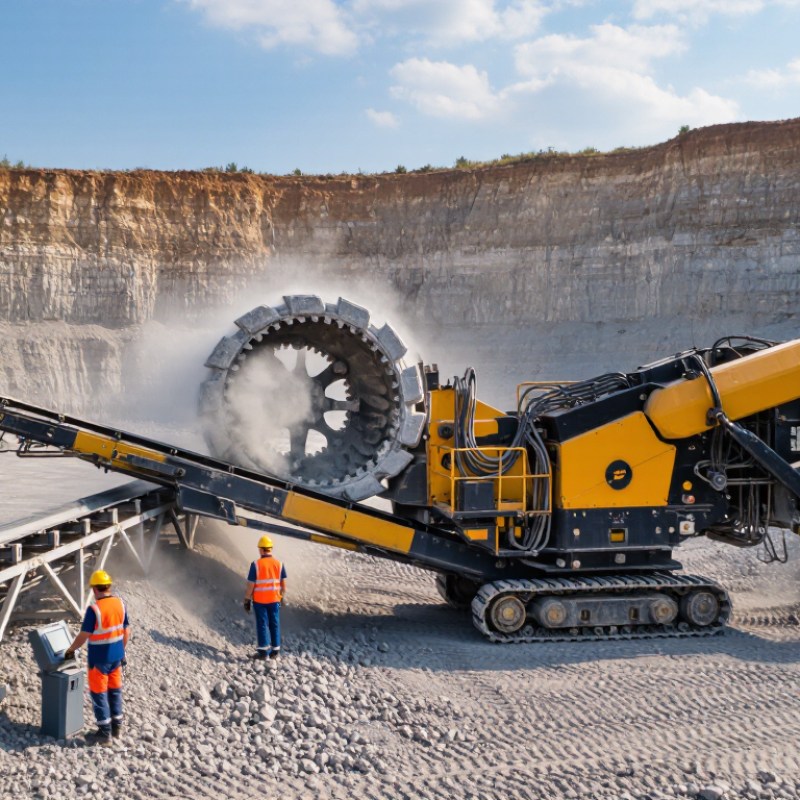
Mobile Jaw Crusher Basics and Main Applications
7 Tips to Choose the Best Mobile Jaw Crusher
Mobile jaw crushers reduce hard rock, concrete, and recycled aggregate through a fixed and moving jaw. Their tracked or wheeled chassis supports crushing near the excavation or construction area. The feed opening, jaw profile, and adjustment range control product size and capacity. A wider opening handles larger stones, but it may increase transport weight and fuel use. Choose a machine that matches the actual feed material, not an ideal laboratory sample.
Seven checks deserve attention. Examine hourly output, maximum feed size, discharge control, engine efficiency, dust suppression, service access, and relocation time. A strong magnet helps remove steel from demolition waste. Hydraulic overload protection can limit damage when uncrushable material enters the chamber. Field experience shows that neglected wear plates often reduce output before operators notice the reason. That detail is easy to miss.
Applications vary widely. Quarries use mobile units for road base and drainage stone, while contractors process concrete beside urban projects. Recycling can reduce haulage demand, although contamination and moisture may lower throughput. Fortune Business Insights reported that the global mobile crushers and screeners market was valued at about USD 3.56 billion in 2023, with continued growth expected through 2032. Market forecasts are useful, but they are not site measurements. Test the rock, measure the belt load, and allow space for maintenance. A neat specification sheet can still mislead.
Assessing Crushing Capacity and Material Requirements
Assessing Crushing Capacity and Material Requirements
A mobile jaw crusher should be selected from site data, not catalogue capacity alone. The USGS Mineral Commodity Summaries 2025 estimates US crushed stone production at about 1.5 billion metric tons in 2024. That scale shows why small capacity errors can create serious delays. Measure the feed material first. Record maximum lump size, average size, moisture, clay content, and abrasiveness. Check the required output in tonnes per hour. Then compare it with realistic operating capacity, not the maximum rated figure. Leave a safety margin of 15–20 percent for interruptions, uneven feeding, and wear. A narrow feed opening may reject oversized rock. That detail is easy to miss.
Material hardness also changes the decision. High silica content can accelerate jaw plate wear. Sticky clay can block the chamber and reduce throughput. The Global Aggregates Information Network reports global aggregates demand at roughly 50 billion tonnes annually, making efficient material handling increasingly important. Review the desired product grading and closed-side setting together. A tighter setting may improve reduction, but it can lower capacity and increase power use. Check transport weight, fuel consumption, and setup time on the actual site. Field experience suggests that moisture is often underestimated. I have seen calculations fail because samples were taken only during dry weather. Laboratory testing helps, but one sample is not enough. Recheck the material after rain, blasting, or changes in the quarry face.
Comparing Mobility, Transport, and Site Accessibility
Choosing the best mobile jaw crusher starts with movement, not maximum output.
Check its overall width before visiting the site. Narrow access roads can turn a good purchase into an expensive delay. Measure gates, bridge limits, turning areas, and ground clearance. A compact transport profile matters when routes include village roads or temporary construction paths. Review crawler or wheel mobility for the terrain. Tracks usually handle uneven ground better, while wheels may move faster on prepared surfaces. Neither option wins everywhere. That assumption deserves testing. Ask operators to demonstrate loading, unloading, and repositioning procedures. Watch how much space the machine needs to stabilize.
Transport planning also needs real numbers.
Confirm total weight, legal road dimensions, axle loads, and lifting points with qualified transport professionals. These details affect permits, escorts, fuel use, and delivery timing. Check whether the crusher can travel without removing the feeder, conveyors, or protective parts. Frequent disassembly increases labor and creates opportunities for mistakes. On site, inspect slopes, soil bearing capacity, drainage, and turning radius before selecting a location. Leave room for excavators, stockpiles, service vehicles, and emergency access. A crusher may reach the site, yet still fail to work efficiently there. Ask for fuel consumption, setup time, and maintenance access from documented field data. Speak with experienced operators, not only sales staff. They often reveal small delays that brochures miss. My practical preference is simple: choose the machine that fits your route, not the machine with the biggest capacity. I would still verify this choice after a trial run, because site conditions change quickly.
Checking Power Systems, Maintenance, and Safety Features
7 Tips to Choose the Best Mobile Jaw Crusher
Power performance should match your actual crushing conditions. Check the engine output, hydraulic demand, and electrical load before comparing capacity figures. A diesel-electric system can improve control, but it needs clean connections and trained inspection. Ask whether the generator handles sudden material surges without stalling. Test fuel use under realistic loads, not only empty operation. Keep this detail visible.
Maintenance access often decides whether a crusher remains productive. Open the service panels and inspect grease points, belt tensioners, filters, and jaw adjustment areas. Technicians should reach routine components without climbing over hot surfaces. Clear diagnostic displays can reduce guessing during breakdowns. Confirm that wear parts are available through lawful, documented supply channels. I once underestimated inspection time because the manual looked simple. The machine did not.
Safety features deserve practical testing, not showroom admiration. Look for guarded moving parts, emergency stops, lockout points, and safe maintenance platforms. A clear control station should show alarms, oil pressure, temperature, and overload conditions. Cameras or remote controls may improve visibility around stockpiles. Check dust suppression and noise controls for the worksite. Train operators on blocked-chamber procedures before production starts. One overlooked blind spot can matter more than a higher output rating. Review safety records, service intervals, and operator feedback before making the final choice.
Evaluating Total Cost, Support, and Long-Term Value
7 Tips to Choose the Best Mobile Jaw Crusher
Evaluating total cost starts beyond the purchase price. Request a detailed quote for the crusher, attachments, delivery, setup, and operator training. Then estimate fuel, wear parts, maintenance labor, insurance, and transport between sites. A low-priced machine may become expensive when jaw plates wear quickly or service calls require long travel.
Check production data under conditions similar to yours. Ask about feed size, moisture, abrasiveness, and expected output. A machine that produces 150 tons per hour in a brochure may deliver less on wet, sticky material. I once treated a published capacity as a reliable forecast. That estimate was too optimistic. Use a site trial or verified customer records when possible.
Support often determines long-term value. Confirm spare-parts availability, response times, remote diagnostics, and technician coverage before signing. Ask who handles emergency repairs after standard business hours. Inspect access points, guarding, adjustment systems, and routine lubrication areas. Simple maintenance saves labor every week. It matters. Review the warranty carefully, including exclusions and travel charges. Compare resale value, fuel efficiency, and expected service life over five to ten years. A spreadsheet can expose hidden costs, but it cannot replace an honest conversation with operators who use similar equipment daily. Their complaints may reveal weaknesses that sales documents omit.
7 Tips to Choose the Best Mobile Jaw Crusher: Total Cost, Support, and Long-Term Value
Five-year ownership cost should be evaluated together with fuel use, wear-part consumption, maintenance, downtime, and after-sales support—not purchase price alone.
Use this planning benchmark to compare competing machines on a consistent production basis. Actual results vary with feed material, operating hours, site conditions, operator practice, transport distance, and local service costs.
FAQS
Compare engine output, hydraulic demand, and electrical load with your real site conditions. Ask whether the generator handles sudden material surges without stalling. Test fuel use under realistic loads. Empty operation can mislead.
Check feed size, moisture, abrasiveness, and expected output. Wet, sticky material may reduce capacity considerably. A published figure is only a starting point. I once trusted one too much.
Open the service panels and inspect grease points, filters, belts, and jaw adjustments. Technicians should reach routine components without touching hot surfaces. Clear diagnostic screens can shorten fault-finding time. Access matters.
Include delivery, setup, training, fuel, wear parts, labor, insurance, and site transport. A cheaper machine may need frequent jaw plate replacement. Long-distance service calls can also increase costs. Use a spreadsheet, but question its assumptions.
Check guarded moving parts, emergency stops, lockout points, and maintenance platforms. The control station should display oil pressure, temperature, alarms, and overloads. Test these features practically, not only during a showroom visit. One blind spot matters.
They may improve visibility near stockpiles and reduce unnecessary exposure. However, operators still need clear procedures and proper training. Test visibility during dust, darkness, and material buildup. Technology is not a substitute.
Confirm part availability, response times, remote diagnostics, and technician coverage before purchase. Ask about emergency repairs outside normal working hours. Review warranty exclusions and travel charges carefully. Support often decides long-term value.
Use material similar to your daily feed. Observe fuel use, throughput, blockage behavior, noise, dust, and maintenance access. Record operator feedback during several working hours. The trial may expose weaknesses that documents omit.
Conclusion
Choosing the best Mobile Jaw Crusher starts with understanding its basic structure, working process, and suitable applications. Evaluate the crusher’s capacity according to your material type, hardness, feed size, moisture, and expected production volume. A machine that matches your crushing requirements can improve efficiency, reduce downtime, and deliver more consistent output. It is also important to compare mobility, transport methods, setup time, and site accessibility, especially when equipment must operate across different locations or confined areas.
Before making a decision, carefully inspect the power system, fuel or electrical requirements, maintenance access, wear-part replacement process, and essential safety features. Consider the total cost of ownership rather than focusing only on the initial purchase price. Operating expenses, maintenance needs, spare-part availability, technical support, warranty coverage, and expected service life all influence long-term value. By balancing performance, flexibility, safety, reliability, and support, buyers can select a Mobile Jaw Crusher that fits both current projects and future production demands.

 Ascend