Choosing the right Gold Washing Plant can be challenging. With various options available, it is essential to understand key factors before making a decision. A suitable plant can significantly affect your mining efficiency and return on investment.
First, consider your specific needs. Are you working in a small-scale operation or a larger mining project? Identify your material type and processing capacity. These details will guide you in selecting a model that fits your unique requirements.
Quality matters. Not all gold washing plants offer the same reliability. Research manufacturers with a proven track record in the industry. Look for those who provide warranties and after-sales support. The investment is substantial, and you want a plant that performs consistently over time. Exploring these aspects can lead to a more informed purchase and a successful mining operation.
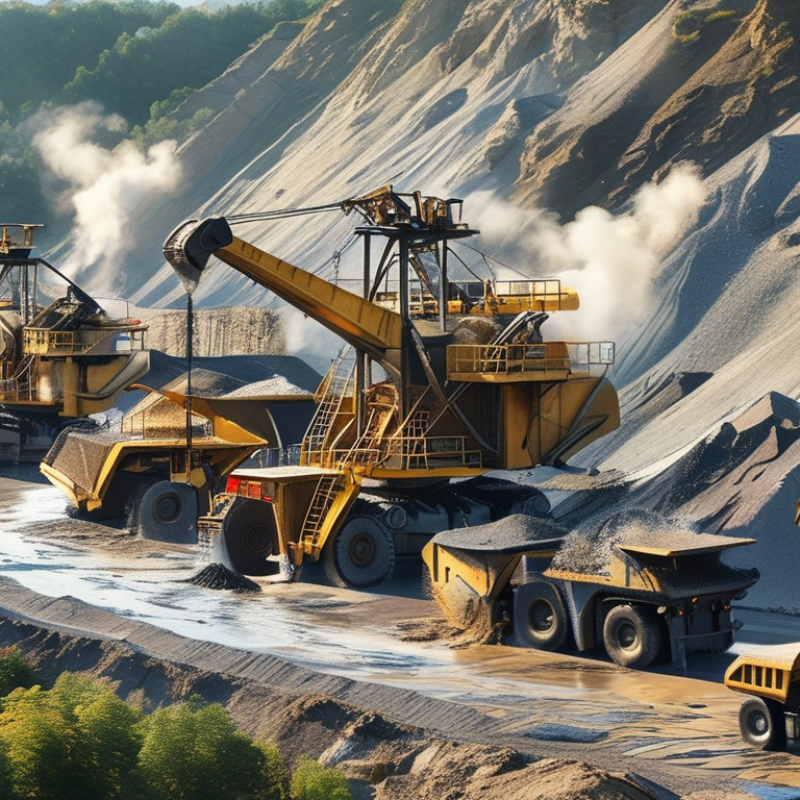
Choosing the right gold washing plant involves understanding your specific needs. First, identify the type of gold you are working with, such as placer or hard rock gold. The recovery rate of the plant is crucial. Reports indicate that plants with efficient recovery systems can achieve rates above 90%. This efficiency may vary based on the nature of the material processed.
Consider the capacity required for your operations. Data suggests that gold washing plants vary widely, with small-scale units processing as little as 1 cubic meter per hour, while larger systems can exceed 100 cubic meters. Assess your mining volume to ensure the plant can meet your demands. Additionally, think about the site conditions. Environmental factors, such as water availability and soil type, play a significant role in plant performance.
It’s essential to reflect on the costs involved, both upfront and operational. Some plants may seem economical but require high maintenance or additional equipment, affecting long-term profitability. Research and gather insights from existing users. Understanding both successes and failures in similar operations can guide your decision-making process. Aim for a plant that not only meets your immediate needs but also adapts to future challenges in gold washing.
| Feature | Description | Importance | Considerations |
|---|---|---|---|
| Capacity | The volume of material processed per hour. | High | Match capacity to the scale of your operation. |
| Portability | Ease of transport and setup at different sites. | Medium | Consider site location and frequency of moves. |
| Water Requirement | Amount of water needed for operations. | High | Ensure access to sufficient water sources. |
| Power Source | Type and availability of power needed for operation. | High | Check local power availability or consider alternatives. |
| Extraction Technology | Methods used for separating gold from materials. | High | Research effectiveness and efficiency of technologies. |
| Budget | Cost associated with purchasing and operating the plant. | High | Define budget constraints and total cost of ownership. |
| Maintenance | Ease of maintenance and availability of parts. | Medium | Consider long-term service and support options. |
: Determine if you are working with placer or hard rock gold. This affects plant selection.
The recovery rate is crucial; efficient plants can achieve rates above 90%. This varies by material type.
Assess your mining volume. Some plants process 1 cubic meter per hour, while others exceed 100 cubic meters.
Environmental factors like water availability and soil type influence the performance of the washing plant.
Consider both upfront and operational costs. High maintenance can affect long-term profitability significantly.
Portable plants are suitable for small operations. They are easy to transport but may require longer run times.
Yes, eco-friendly plants use less water and reduce environmental impact, but may require higher initial investments.
Aim for a robust recovery system. Plants with rates above 95% yield better results and overall efficiency.
Portable units reduce setup time and adapt quickly to different sites, improving operational efficiency by up to 30%.
Regular inspections can identify wear and tear, prolonging equipment lifespan and maintaining performance efficiency.
Choosing the best Gold Washing Plant involves a thorough understanding of your specific requirements and needs. Start by assessing the various types of Gold Washing Plants available in the market, considering factors such as their efficiency and suitability for your mining endeavors. It's essential to identify key features that align with your operational goals, including processing capacity, portability, and ease of use.
Furthermore, evaluating the costs and budget for your Gold Washing solutions is crucial, as prices can vary widely based on design and technology. Don't overlook maintenance and support aspects; a reliable Gold Washing Plant should come with solid after-sales service to ensure longevity and optimal performance. By carefully considering these factors, you can select a Gold Washing Plant that best meets your mining objectives.

 Ascend