When exploring how to choose the best Gold Wash Plant, several factors come into play. A Gold Wash Plant is essential for efficient gold recovery. It processes large quantities of material, separating gold with precision. Understanding your specific needs is the first step in the selection process.
Different mining operations have varying requirements. Size, portability, and processing capacity all matter. Not all Gold Wash Plants are created equal. Some plants excel in mobility, while others focus on high throughput. Research and experience can guide your decision.
Reflecting on own past choices often helps clarify what features truly matter. Selecting a Gold Wash Plant can be challenging. Mistakes can lead to wasted time and resources. Ensure you assess your operational needs thoroughly before making a choice. A thoughtful decision can lead to greater efficiency and success in your gold recovery efforts.
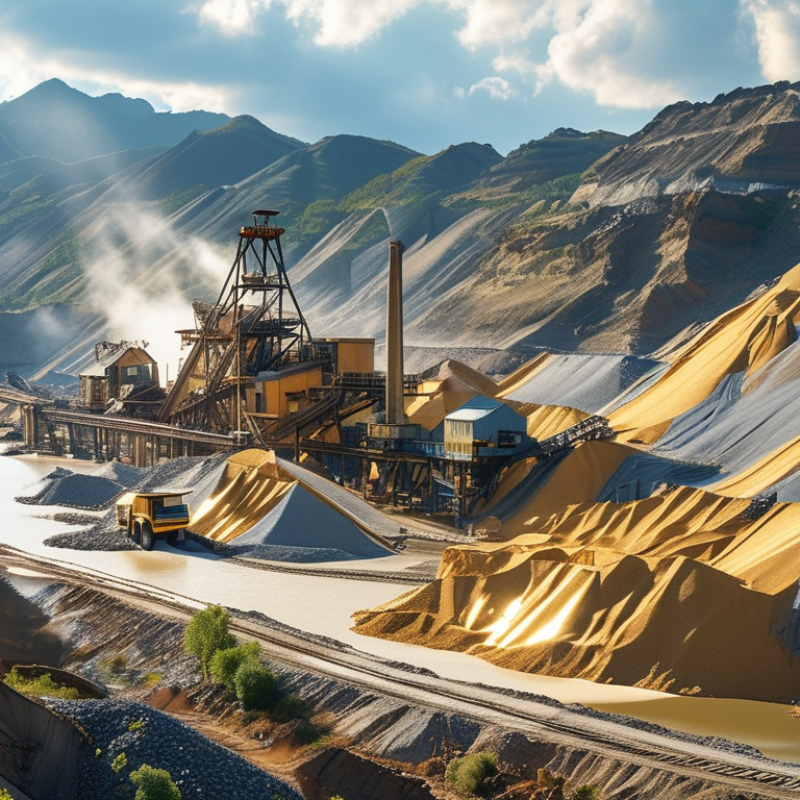
Identifying your gold mining requirements is crucial before selecting a wash plant. Start by assessing the scale of your operation. Are you planning a small hobby project or a more extensive commercial venture? Your goals will influence the type of equipment you need. For small-scale operations, portable wash plants may suffice. They are easy to move and set up. Larger operations may require higher capacity plants that can process more material efficiently.
Next, consider the type of material you will be mining. Different wash plants handle various soil types and gold concentrations. Are you primarily working with clay, gravel, or a mix? Each material presents its own challenges. A plant effective for one type may fall short for another. It is essential to match the plant's capabilities with your material. Reflecting on past experiences with equipment can shed light on your needs. Collect feedback on what has and hasn’t worked in similar situations. Your understanding of these factors will guide you in making an informed choice.
| Plant Type | Capacity (tons/hour) | Recirculation System | Power Source | Mobile or Static | Cost Estimate ($) |
|---|---|---|---|---|---|
| Mini Wash Plant | 5 | Yes | Gasoline | Mobile | 3,500 |
| Portable Wash Plant | 10 | Yes | Diesel | Mobile | 8,000 |
| Standard Wash Plant | 20 | No | Electric | Static | 15,000 |
| Large Scale Wash Plant | 50 | Yes | Electric | Static | 50,000 |
When considering gold wash plants, understanding the various types available is essential. These plants come in several forms, including stationary, portable, and modular designs. Stationary plants are often more robust and suitable for high-capacity operations. However, they require significant space and resources for setup. On the other hand, portable units offer flexibility and are ideal for smaller mining operations. According to a report by the Mining Engineering Association, portable gold wash plants have seen a 30% increase in demand due to their adaptability in diverse environments.
Modular systems provide another option, allowing for scalability as operations expand. These units can be disassembled and moved to different locations, making them versatile. Their design often facilitates easier upgrades, which is crucial for operators aiming to enhance efficiency. A study published in the Journal of Mining Science highlighted that modular systems can improve production rates by up to 20% for small to medium-scale miners.
However, potential buyers should not overlook hidden challenges. The cost of maintenance and spare parts can vary significantly across different models. Operators must also consider the environmental impact of their chosen solution, as some wash plants can harm local ecosystems if not managed properly. Understanding these factors is crucial for making an informed decision that aligns with both operational goals and sustainability practices.
When selecting a gold wash plant, certain features are crucial to consider. The size of the plant is one factor. A larger plant can handle more material but may not fit in smaller spaces. Assess your mining operation's scale to ensure compatibility. Also, check the plant's processing capacity. This will directly impact your efficiency and output.
Another essential feature is the type of recovery system. Different designs yield varying results. A well-designed recovery system maximizes gold extraction while minimizing loss. It’s worth researching different methods to find what aligns with your needs. Equipment quality matters too; investing in durable materials can reduce maintenance costs.
Consider the mobility of the plant. If you plan to relocate frequently, a portable option could be beneficial. Think about ease of transport and setup. Don’t overlook customer reviews and expertise. You need reliable information. Gathering insights can help you gauge the effectiveness of a wash plant before purchase.
When analyzing the budget for a gold wash plant, several factors come into play. The initial investment is often a significant consideration. Prices can vary widely based on size and features. It's essential to evaluate your mining goals to determine the right model for your operation. A cheaper option might seem appealing at first. However, it could lead to higher operating costs over time.
Cost-effectiveness also hinges on the plant's efficiency. How well does it separate gold from dirt? An ineffective system can waste time and resources. Assessing throughput capacity is crucial. If a wash plant can process more material quickly, it saves labor costs. Yet, be wary of overestimating your needs. A plant that is too large for your operation may not yield a good return on investment.
Consider maintenance and operational expenses too. Regular upkeep can eat into profits if not planned for. Hiring skilled operators also affects overall costs. Balancing these factors demands careful thought. Each component plays a role in building an effective budget. Understanding the nuances of your specific conditions will lead to better decisions.
When evaluating suppliers for a gold wash plant, reputation is key. Look for companies with years of experience in the field. Check their online reviews and customer feedback. A reliable supplier often has a strong track record of satisfied clients. Keep an eye on their presence in industry discussions and forums. This can give insights into their credibility.
Warranty options are equally important. A solid warranty signifies confidence in the product. It shows the supplier's commitment to quality. Consider the duration and coverage of the warranty. Some suppliers may even offer extended warranties, which can be a good sign. It reflects their dedication to customer service. However, be cautious. A lengthy warranty may not always mean better quality. Always read the fine print to understand what is covered.
Lastly, ask for references from previous customers. Speaking directly to them can provide valuable insights. They can share experiences about the supplier's reliability and product performance. This process may take extra time, but it is worth it to ensure a wise investment.
: Start by evaluating the scale of your operation. Smaller projects may need portable plants, while larger ones require more capacity.
Different soils—like clay or gravel—work differently with plants. Match the plant's capabilities to your specific materials for the best results.
A larger plant processes more material but may not fit smaller spaces. Assess your mining operation's requirements before deciding.
A well-designed recovery system increases gold extraction. Research various systems to find the one that meets your goals.
Investing in durable equipment can lower maintenance costs. Quality materials generally lead to better performance and efficiency.
Yes, if you plan to move frequently, a portable plant may be useful. Think about transport and setup ease.
Reflecting on past equipment performance is helpful. Collect feedback on successes and failures to better inform your decision.
Look at customer reviews and expert insights. Gathering information can illuminate the effectiveness of different options.
Yes, each type of material can present unique challenges. Understanding these difficulties can help in selecting the right equipment.
Selecting the right Gold Wash Plant for your needs requires a clear understanding of your gold mining objectives and requirements. It's essential to evaluate the various types of gold wash plants available, as each is designed to cater to specific mining conditions and scales of operation. Key features such as processing capacity, portability, and recovery rates should be carefully considered to ensure optimal performance.
Moreover, analyzing your budget and the overall cost-effectiveness of a gold wash plant will help you make a financially sound decision. Don't forget to assess the reputation of potential suppliers and the warranty options they offer, as this can influence the reliability and longevity of your investment in a gold wash plant. By taking these factors into account, you can select a gold wash plant that aligns with your mining goals and provides the best value for your operations.

Ascend