Choosing the right Gold Processing Plant is crucial for success in the mining industry. According to Dr. Alan Reynolds, a leading expert in gold processing, "Selecting the best plant can significantly enhance your yield and reduce operational costs." His insights emphasize the importance of thorough research and understanding your specific needs.
When evaluating a Gold Processing Plant, consider factors like technology, capacity, and efficiency. Different plants offer varying methods, such as gravity separation and flotation. Each method has its advantages and shortcomings. It’s essential to align the plant’s capabilities with the ore characteristics you plan to process.
Many operators overlook the significance of scalability. A plant that suits your current operation might not support future expansions. Be cautious of underestimating maintenance costs, as they can impact your profitability. Make informed decisions to ensure your Gold Processing Plant meets both your immediate and long-term goals.
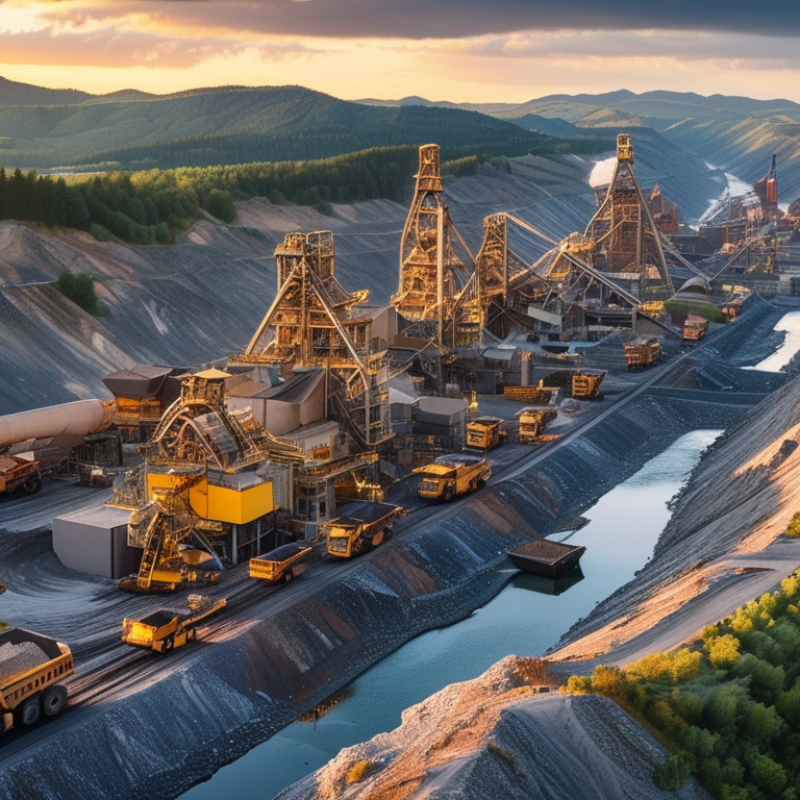
Factors to Consider When Choosing a Gold Processing Plant
Choosing the right gold processing plant involves several critical factors. Capacity is a primary consideration. The chosen facility must align with your processing goals. Industry reports show that plants with a daily processing capacity of 50 tons can significantly boost operational efficiency. However, oversizing can lead to wasted resources and unnecessary costs.
Technology used in the processing plant also matters. Advanced methods, such as gravity separation and cyanide leaching, are often more efficient. According to recent studies, plants utilizing high-efficiency gravity concentrators can reduce gold recovery losses by up to 20%. Deploying outdated technology might limit your operation's overall yield.
Location plays a role too, especially in logistics. Access to infrastructure is vital. Close proximity to transportation networks can lower operational costs and ensure quicker material movement. Conversely, an isolated facility may lead to delays and increased expenditures. Evaluate potential sites carefully to avoid future regrets. Balancing capacity, technology, and location will help in making a more informed decision.
Types of Gold Processing Methods and Their Suitability
When choosing a gold processing method, several key factors should be considered. The most common methods include
gravity concentration, flotation, and cyanidation. Each method has its own strengths and weaknesses,
making it vital to assess your specific needs.
Gravity concentration is effective for coarse gold recovery. It’s simple and environmentally friendly.
However, it may not capture finer particles effectively.
Flotation works well in lower-grade ores and can achieve high recovery rates, but it requires careful management of chemicals.
For very low-grade ores, cyanidation is often used. This method is efficient, but it poses significant environmental risks.
Tip: Consider the mineral composition of your ore before selecting a method. This will significantly impact your recovery rates and overall efficiency.
Choosing the right processing method is crucial. It can determine whether your operation is profitable or not. Industry reports indicate that recovery rates can vary significantly,
ranging from 60% to over 95%, depending on the chosen process.
Finding the most suitable method involves balancing cost, efficiency, and environmental impact.
Tip: Regularly reassess your processing technique. Operational changes and ore quality fluctuations can affect your results.
Evaluating Plant Capacity and Scale for Your Operations
When evaluating a gold processing plant, capacity and scale are crucial factors. Industry reports suggest that optimal plant capacity can range widely, often between 50 and 150 tons per day. This variance hinges on specific operational goals. Scaling your plant too quickly can lead to inefficiencies or underperformance. A careful analysis of your current and projected needs is essential.
Consider the size of your mining operations. A smaller scale might benefit from a modular plant. Modular plants offer flexibility, allowing for gradual scaling without overwhelming investment. The resource availability in your region also impacts plant capacity. Insufficient feed material can stall operations and lead to increased costs.
It’s also vital to assess the infrastructure around your facility. Transportation logistics can significantly influence operational success. A report from the World Gold Council highlights that logistical delays often account for a 20% drop in productivity. Ensuring access to reliable transportation can mitigate this risk. Moreover, analyze the energy requirements of potential plants. Some setups may promise high output but at exorbitant energy costs. Keep these considerations in mind for a more sustainable operation.
Evaluating Gold Processing Plant Capacity
Cost Analysis: Budgeting for a Gold Processing Plant
When budgeting for a gold processing plant, understanding costs is crucial. Each element affects the overall investment.
Equipment, labor, and operational expenses all play key roles. Equipment can be a significant upfront cost.
Research options that meet your needs without overspending.
Tips: Always compare multiple suppliers. Look for quotes and check for hidden costs. This can save money in the long run.
Labor costs must also be considered. Skilled workers are essential for smooth operations. Invest in training for existing staff to increase efficiency.
However, hiring too many can inflate your budget.
Tips: Consider seasonal hiring. Adjusting your workforce for peak times can help control costs without sacrificing productivity.
Operational costs, such as energy and maintenance, should not be overlooked. These can accumulate quickly and impact profitability.
Regular maintenance reduces downtime and long-term repair costs.
Tips: Implement energy-efficient practices. This not only saves money but also supports sustainability.
Always reassess your budget and adjust as necessary. It’s essential to keep your financial goals aligned with ongoing operational needs.
Location and Accessibility: Key Aspects for Plant Selection
When selecting a gold processing plant, location and accessibility are crucial factors. A well-placed facility can significantly reduce operational costs. Proximity to raw material sources helps minimize transportation expenses. Accessibility to major transportation routes facilitates the timely delivery of supplies. However, consider the local infrastructure. Inadequate roads and transport options can hinder efficiency.
Furthermore, the plant’s location affects regulatory approvals. Different regions have varying mining laws. It's vital to understand local regulations to avoid future complications. Communities nearby can also influence smooth operations. Building strong relationships with local stakeholders fosters support. Relying solely on distance from resources might lead to overlooking these aspects.
Natural disasters can impact certain areas, making reliability a concern. Analyze the historical data on such events. Consider future growth as well; areas lacking expansion opportunity may limit plant capabilities. Balancing these components requires careful thought. Ask yourself if the potential site truly aligns with your long-term strategy.
How to Choose the Best Gold Processing Plant for Your Needs?
| Criteria |
Description |
Importance Level |
Considerations |
| Location |
Proximity to raw materials, infrastructure, and markets. |
High |
Evaluate transport routes and regional stability. |
| Accessibility |
Ease of access for personnel, equipment, and supplies. |
Medium |
Consider road conditions and transport options. |
| Environmental Regulations |
Compliance with local and international environmental laws. |
High |
Assess potential environmental impact and mitigation strategies. |
| Infrastructure |
Availability of power, water, and waste disposal systems. |
High |
Analyze existing facilities and potential upgrades needed. |
| Labor Availability |
Access to skilled labor and workforce availability. |
Medium |
Investigate local workforce training programs. |
FAQS
: Common methods include gravity concentration, flotation, and cyanidation. Each has unique strengths and weaknesses.
Gravity concentration is simple and eco-friendly. It works best for coarse gold but struggles with finer particles.
Use flotation for lower-grade ores. It can achieve high recovery rates but needs careful chemical management.
Cyanidation is efficient for low-grade ores but poses significant environmental risks that must be considered.
Evaluate optimal plant capacity, usually between 50 and 150 tons per day. Rapid scaling can lead to inefficiencies.
A good location reduces operational costs and facilitates timely supply deliveries. Infrastructure is also crucial.
Different regions have various mining laws. Understanding these laws is vital to avoid complications down the line.
Building relationships with nearby communities can support operations. Don’t overlook their influence based on resource distance.
Delays in logistics can lead to significant productivity drops. Reliable transportation access is essential for success.
Analyze natural disaster risks, historical data, and expansion opportunities. Ensure the site aligns with your strategy.
Conclusion
Choosing the right Gold Processing Plant is crucial for optimizing your operations and ensuring high productivity. Key factors to consider include the processing methods that align with your specific ore characteristics, as different methods cater to various types of gold extraction. Additionally, evaluating the plant's capacity and scale is essential to meet your operational needs effectively.
Cost analysis plays a significant role in budgeting for a Gold Processing Plant. Understanding the financial implications, including setup and operational costs, will help you make a more informed decision. Lastly, consider the location and accessibility of the plant, as these aspects can significantly impact logistics, operational efficiency, and overall success. By carefully assessing these elements, you can select a Gold Processing Plant that best fits your requirements.

 Ascend