Choosing the right Gold Mining Wash Plant is crucial for success in the industry. Daniel Smith, an expert in gold mining equipment, once stated, “The right wash plant can make or break your operation.” This highlights the importance of understanding your needs before making a decision.
Gold Mining Wash Plants come in various sizes and designs. Each option offers different strategies for gold recovery. Factors like location, budget, and desired output play significant roles. It’s essential to evaluate your specific requirements to avoid costly mistakes.
Selecting a wash plant without proper research can lead to inefficiency. An inappropriate choice might result in lower yields and wasted resources. Consider engaging with industry experts to gain insights into the best practices. Taking the time to assess your options can lead to better outcomes and ensure a profitable operation.
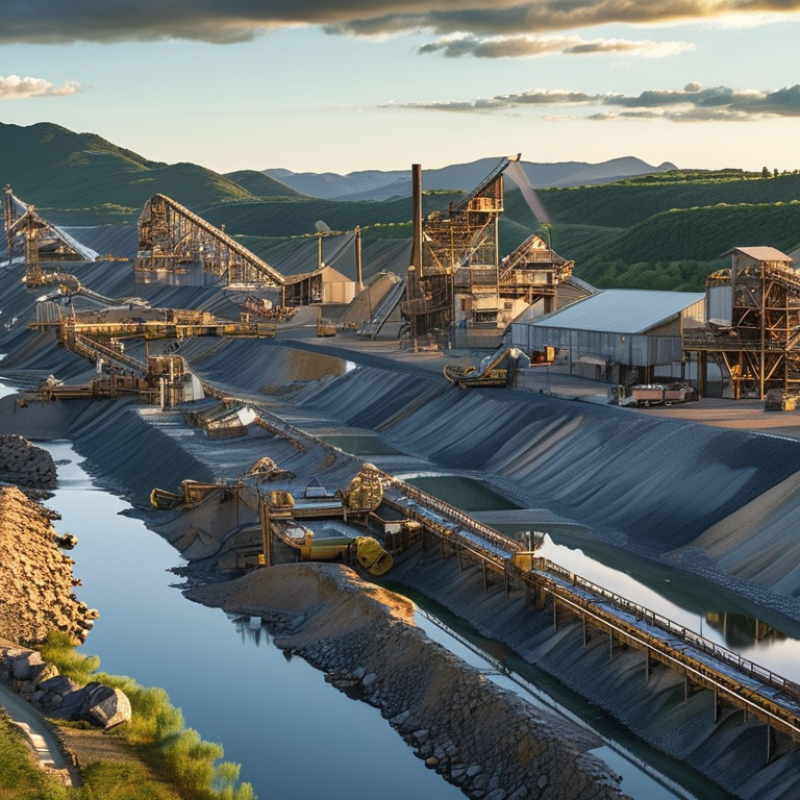
When selecting a gold mining wash plant, several factors come into play. Understanding your needs is crucial. Consider the size of your mining site.
A compact unit might suit small operations, while larger areas require more expansive equipment. Assess the water availability too. Effective washing relies on a reliable water source.
Tips for choosing the right plant include evaluating your budget. High-quality equipment often comes at a steep price. However, investing in a durable wash plant may save costs in the long run. Look for features like adjustable sluice boxes, which can improve gold recovery.
Another factor to reflect on is the type of materials you’ll be processing. Different wash plants excel at handling various types of soil. Research the soil conditions at your site. This knowledge can guide your choice significantly. Remember, not every setup will meet your unique challenges perfectly, so don’t hesitate to explore multiple options.
When considering gold mining wash plants, understanding the types available is crucial. There are several variations designed for specific applications. For instance, shaker plants are efficient for smaller operations. They offer portability and ease of setup. This makes them ideal for exploration or smaller mining sites.
Another common type is the trommel wash plant. This design uses rotating cylindrical screens to separate gold from material effectively. It works well in situations where water availability is limited. The trommel's capacity is also noteworthy, making it suitable for larger scale operations. However, it may require more maintenance than simpler wash plants.
Lastly, there are highbanker wash plants. These are versatile and can function in various conditions. They are often used in streams or rivers, allowing miners to access alluvial gold. While very effective, they can be physically demanding to operate. Each type has its advantages and challenges. Choosing the best one depends on specific needs and site conditions.
When selecting a gold mining wash plant, it’s essential to consider several key features. The design of the plant plays a significant role in its efficiency. Look for a plant that has an effective separation mechanism. This ensures that larger rocks and debris are removed before reaching the gold recovery stage. A well-designed feed system can also enhance the plant’s operational flow.
Another crucial feature is the material used in the construction of the wash plant. Durable materials resist wear and tear from heavy use and harsh environments. It’s wise to assess the quality of the components, as this can impact the long-term reliability of your plant. Additionally, consider the size and capacity. A plant that is too small may limit your productivity, while one that is excessively large might lead to unnecessary costs.
It’s also important to think about ease of assembly and operation. A wash plant that requires extensive setup may lead to delays in production. Consider models that allow for quick disassembly and transport. While features are vital, potential users should reflect on local conditions and specific mining requirements. Each site has unique challenges, and what works for one might not suit another. This reflection can lead to a more informed choice and better outcomes in the long run.
When selecting a gold mining wash plant, understanding your size and capacity requirements is crucial. Start by evaluating the volume of material you expect to process. This determines the necessary throughput and affects your operational efficiency. For example, a smaller operation may only need a plant capable of processing a few tons per hour, while a larger mine might require systems handling many tons to stay profitable.
Consider the type of materials you will be washing. Different materials can significantly impact the wash plant’s design and efficiency. You may find that some models handle clay-rich materials better than others. Pay attention to the separation capability as well. Some plants excel in recovering fine gold, while others might miss it. It's important to reflect on what you value most: raw processing speed or optimal recovery rates.
Transportability and power requirements also matter. If you plan to move your plant frequently, look for a modular design. It should easily adapt to various terrain types. Assess your power sources as well. Some operations rely on diesel generators, while others can connect to local power grids. The right combination of these factors will directly influence not just your available budget but also your overall success.
| Feature | Description | Size Requirement | Capacity (tons/hour) |
|---|---|---|---|
| Mineral Recovery Rate | Percentage of valuable minerals extracted from the raw material. | Varies depending on the material type. | 5 - 25 |
| Water Consumption | Amount of water needed for efficient washing. | 2,000 - 10,000 gallons per hour | N/A |
| Power Requirements | Electric or diesel power needed to operate the wash plant. | 5 - 60 kW | N/A |
| Transportability | The ease of moving the wash plant to different locations. | Portable or stationary options available. | N/A |
| Particle Size Handling | Maximum and minimum particle sizes that can be processed. | 1mm - 100mm | N/A |
When considering a gold wash plant, budgeting is crucial. The upfront cost can vary greatly. Factors like capacity and features play a significant role. A smaller plant might cost less, but it may not meet production needs. This discrepancy can lead to frustration down the line.
It's essential to factor in ongoing expenses too. Maintenance fees can sneak up, affecting long-term profits. A plant that requires frequent repairs may not be worth the initial savings. Look for reliability in performance. Many overlook this aspect, thinking only about the initial purchase price.
Finally, always assess your specific needs. A larger plant might seem enticing but could strain your finances. Reflection on your operational scale is necessary. Do not rush the decision. Take the time to research and analyze all budgetary components carefully. Making informed choices now can prevent costly mistakes later on.
: Assess your mining site size and water availability. Compact units suit small areas. Larger sites need expansive equipment.
Consider quality versus cost. Investing in durable equipment may save you money in the future. Cheaper options might not last.
Important features include adjustable sluice boxes for better gold recovery. Research is key to finding the right specifications.
Common types include shaker plants, trommel wash plants, and highbanker wash plants. Each has unique advantages and challenges.
Evaluate the volume of material you plan to process. Smaller operations need less capacity; larger ones require more throughput.
Different materials affect wash plant efficiency. Some models perform better with clay-rich soils, impacting recovery rates.
If you need to move your plant often, choose a modular design. It should be adaptable to various terrains for easier transport.
Determine if your plant will run on diesel generators or connect to local grids. Power source impacts your operational costs and success.
When selecting the best Gold Mining Wash Plant for your operation, it's crucial to consider several factors that will influence efficiency and productivity. Key aspects include the types of wash plants available, which vary in their applications and effectiveness based on the specific mining environment. Additionally, understanding the size and capacity requirements for your operation ensures that the chosen plant can handle your expected throughput.
Budgeting is another essential element; potential buyers must account for both the initial investment and ongoing operational costs. Key features such as portability, durability, and advanced technology can significantly impact the plant's performance. By thoroughly evaluating these criteria, miners can make an informed decision that aligns with their specific needs and enhances their gold extraction process.

Ascend