In the global market, China has become a significant player in the Gold Processing Equipment industry. Experts recognize the country's advanced technology and production capabilities. Dr. Li Wang, a leading authority in mining equipment, states, "China's innovation in gold processing has set a new standard internationally." His words highlight the progress in this sector.
Gold Processing Equipment encompasses a range of machinery and tools vital for extracting and refining gold. The demand for high-quality processing equipment has surged as gold remains a valuable resource. Chinese manufacturers are known for their efficiency and cost-effectiveness. However, not all equipment is created equal. Quality control is crucial.
Buyers face the challenge of choosing reliable suppliers. Misleading claims can lead to poor investment. It is essential to research manufacturers and their reputation. Prospective buyers must weigh their options carefully, ensuring they invest in equipment that meets their needs while providing long-term value. The landscape of Gold Processing Equipment continues to evolve, raising questions about future developments and sustainability in the industry.
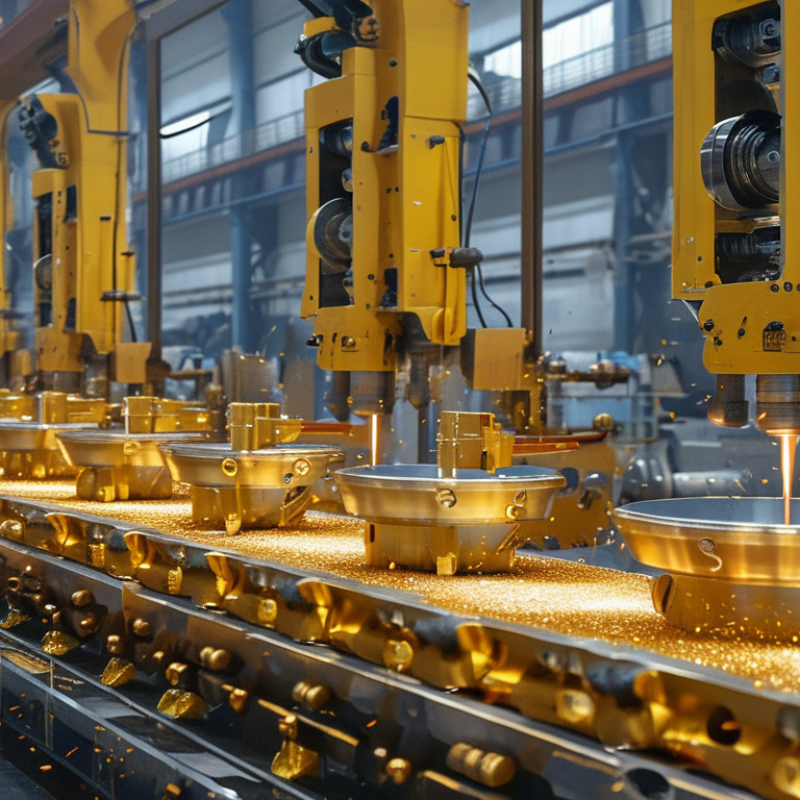
China has emerged as a key player in the gold processing equipment sector. The country is home to numerous manufacturers that specialize in this industry. These companies boast years of experience and deep expertise. They have invested heavily in research and development. This commitment results in innovative solutions for gold processing.
The equipment provided by these manufacturers often includes crushers, grinders, and separators. Each piece is designed to enhance efficiency and output. However, not all products meet the highest standards. Buyers should conduct thorough research before making decisions. Quality control can vary, leading to varying performance levels. Sustainable practices are increasingly important in this sector, reflecting a growing awareness of environmental issues.
Choosing the right manufacturer involves weighing multiple factors. Consider aspects like reliability, support, and technological advancement. Engaging with industry professionals can yield valuable insights. The dynamic nature of this market demands constant learning and adaptation. Buyers must remain vigilant and assess the evolving landscape of gold processing equipment.
The gold processing equipment from China is gaining attention globally. These machines offer efficiency and reliability, essential for maximizing resource extraction. Research from industry reports indicates that Chinese manufacturers are producing equipment with advanced technologies, which include improved gravity separation and flotation methods. These innovations can increase gold recovery rates by up to 30% compared to traditional methods.
In recent years, the demand for gold processing equipment has surged, particularly in Asia and Africa. Companies are looking for solutions that minimize operational costs. The Chinese market has responded with options that balance cost and performance. Many machines also feature automation capabilities, which reduce human labor and enhance processing speed.
Tip: When selecting equipment, consider the energy consumption. Efficient machines can significantly lower operational costs.
Some equipment's maintenance requirements can be daunting. Proper care can mitigate unexpected downtime, yet many users overlook this aspect. Understanding the long-term servicing needs is critical for sustainable operations.
Tip: Always review user manuals thoroughly to grasp maintenance schedules.
In conclusion, the choices available from China can be diverse. Various models cater to different scales of operation. However, buyers should be aware of their specific needs and do detailed assessments before making a purchase.
The global market for gold processing equipment is evolving rapidly. According to a recent report by Grand View Research, the market is expected to grow at a compound annual growth rate of 6.7% from 2023 to 2030. Chinese manufacturers are pivotal in this trend, offering advanced technology and competitive pricing.
Chinese gold processing solutions provide innovative methods that increase yield while reducing operating costs. For instance, new flotation technology can recover up to 95% of gold from ore, significantly enhancing profitability for global miners. Analysis from the International Journal of Minerals highlights that effective processing can cut production costs by as much as 30%.
However, challenges exist. The rapid expansion of the industry raises concerns about sustainability and resource depletion. Environmental regulations can impact operational efficiency. Moreover, the reliance on imported machinery sometimes affects the supply chain stability. Global buyers must weigh these aspects carefully when considering equipment from Chinese suppliers.
| Equipment Type | Processing Capacity (tonnes/day) | Availability | Price Range (USD) | Key Features |
|---|---|---|---|---|
| Cyanide Leaching Plant | 100-200 | In Stock | $50,000 - $120,000 | High recovery rate, automated operation |
| Gravity Concentration Table | 20-50 | In Stock | $8,000 - $20,000 | Cost-effective, minimal maintenance |
| Flotation Machine | 50-100 | Pre-order | $30,000 - $70,000 | Improved recovery efficiency |
| Pressure Oxidation Reactor | 10-25 | In Stock | $90,000 - $200,000 | High pressure and temperature capabilities |
| Gold Refining Furnace | 5-10 | In Stock | $15,000 - $35,000 | Compact design, energy efficient |
When exploring gold processing equipment, it's essential to compare different suppliers. Many factors influence the decision, including technology, efficiency, and cost. Suppliers often emphasize unique features. However, it is crucial to evaluate these claims objectively.
Efficiency is a common selling point. Some suppliers highlight advanced separation methods or energy-saving designs. Yet, potential buyers should ask for performance data. Claims can sometimes be exaggerated. Understanding the specific needs of a gold processing operation is essential. Not all equipment fits every type of mining or refining process.
Quality control is another significant factor. Reliable suppliers typically have stringent testing protocols. They prioritize customer feedback and continually improve their products. However, it can be challenging to determine their commitment to quality without thorough research. Comparing certifications and client testimonials could aid in this process. It's vital that buyers do their due diligence before making any decisions.
China's gold processing technology is on the brink of significant advances. Reports indicate that 80% of the world's gold is processed using traditional methods. These processes are often inefficient, leading to a need for innovation. Chinese manufacturers are exploring cutting-edge techniques that may transform this landscape.
Recent studies have emphasized the rise of automated and environmentally friendly solutions. For instance, the incorporation of AI in processing plants can boost efficiency by reducing waste and enhancing recovery rates by up to 15%. As the global demand for gold continues to increase, these innovations are essential. However, challenges remain. Integrating new technologies into existing infrastructures poses operational hurdles.
Moreover, the reliance on outdated methods still pervades the industry. Many plants face budget constraints, hindering their ability to adopt new technologies. This gap presents a unique space for future growth. Companies willing to invest in research and development can potentially lead the market. The drive for sustainable practices will only amplify the urgency for change in this sector.
: Buyers should assess reliability, technology, support, and efficiency. Research is crucial for informed decisions.
Sustainability is increasingly important. Environmental concerns affect practices and regulations.
Crushers, grinders, and separators are among the common equipment used in gold processing.
Advanced technologies can enhance yield and reduce costs. New flotation methods, for example, recover up to 95% of gold.
Buyers encounter issues like sustainability concerns and supply chain stability due to imported machinery.
Potential buyers should review certifications and client testimonials. Conducting thorough research is essential.
The market is projected to grow at a compound rate of 6.7% from 2023 to 2030.
Not always. Claims can be exaggerated, so ask for performance data to validate efficiency.
Quality control varies among manufacturers. Understanding specific needs helps avoid unsuitable equipment.
Engaging industry professionals offers valuable insights. Their experience can guide better choices in equipment selection.
China has emerged as a notable player in the global market for Gold Processing Equipment, with several leading manufacturers offering advanced solutions tailored to meet international standards. The key features of these equipment include efficiency, durability, and technological innovation, which enhance the overall processing capabilities for gold extraction and refinement.
As global market trends indicate a growing demand for sustainable and high-performance processing solutions, Chinese manufacturers are poised to adapt by incorporating cutting-edge technologies. A comparative analysis highlights the strengths of these suppliers, emphasizing their competitiveness in terms of cost and innovation. Looking ahead, future innovations in China's Gold Processing Technology are expected to focus on enhancing automation and eco-friendly practices, ensuring that they continue to meet the evolving needs of global buyers.
Ascend