The demand for effective gold recovery solutions is rising globally. The efficiency of a River Sand Gold Wash Plant is crucial in this sector. Recent studies show that the gold recovery rate can vary significantly based on equipment choice and operating conditions.
Many operators report recovery rates of 90% or higher with advanced wash plants. However, not all plants maintain this level of efficiency. The quality of river sand and water availability are major factors that impact performance. Inadequate equipment may lead to wasted resources and time.
Investing in a reliable River Sand Gold Wash Plant is key to maximizing profits. Industry data indicates that using optimized technology can enhance recovery rates significantly. Acknowledging the limitations of existing methods is essential for continual improvement. Thus, choosing the right wash plant is both a critical and challenging decision for operators.
Overview of River Sand Gold Wash Plants
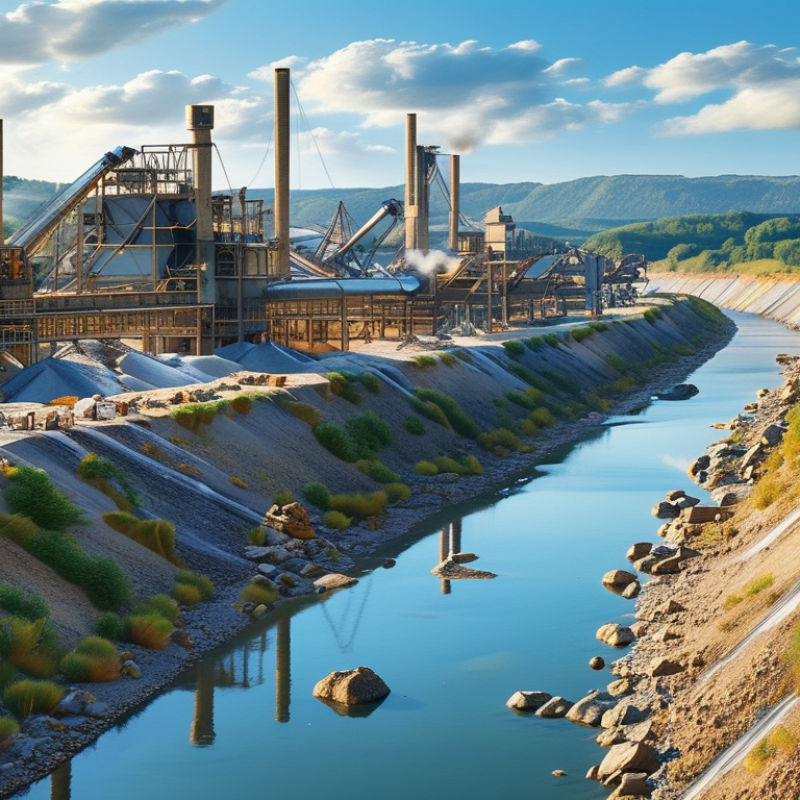
River sand gold wash plants play a vital role in efficient gold recovery from alluvial deposits. These plants use a combination of water and gravity to separate gold from sand and gravel. Designed for portability and ease of use, they can be set up near rivers where gold may be present. The process begins by feeding raw river sand into the wash plant, where water helps to wash away lighter materials.
These plants often feature vibrating screens and sluice boxes. The vibrating screens separate larger rocks from finer sands, while the sluice boxes collect gold particles. A well-designed wash plant can significantly increase recovery rates. However, factors like flow rate and soil composition can impact effectiveness. Operators must carefully adjust their techniques to achieve optimal results.
Despite their efficiency, operating a river sand gold wash plant has its challenges. Environmental regulations and fluctuating water levels can pose issues. Regular maintenance is necessary to keep machinery in good working condition. Additionally, local geology may vary, requiring frequent adjustments in operations. Reflecting on these factors is crucial for long-term success in gold recovery ventures.
Key Features of Efficient Gold Recovery Systems
When looking for an efficient river sand gold wash plant, certain key features stand out. First, effective water management is crucial. An optimal wash plant utilizes water efficiently to separate gold from sand without excessive waste. It's essential to create a consistent water flow that maximizes gold recovery.
Another feature to consider is the type of screening technology used. High-quality screens can effectively filter out debris while keeping precious gold particles intact. Attention to the mesh size ensures that both larger stones and fine gold are appropriately processed.
Tips: Regularly inspect your plant to maintain peak performance. Even minor issues can decrease recovery rates dramatically. Experimenting with different screen sizes can yield surprising results. Adjusting your setup based on river conditions can also enhance efficiency.
Durability is also important. The materials used in the construction of the wash plant should withstand harsh environments. Investing in robust components may appear costly initially, but it leads to a more reliable operation in the long run. Reflecting on past setups can provide valuable insights for future improvements. Consider what worked well and where you faced challenges to guide your next steps.
Comparison of Different Gold Wash Plant Designs
Choosing the right gold wash plant is crucial for effective recovery. Various designs exist, each with unique benefits and drawbacks. A study published in the Journal of Mining Science highlights that traditional sluice boxes can recover about 90% of gold, while newer technologies, such as shaker tables, may push this number up beyond 95%. This data shows the importance of selecting an efficient design for optimal results.
When comparing different gold wash plant designs, consider key factors like water flow, material handling, and recovery rates. Studies indicate that a wash plant with adjustable screening can adapt better to varied river sand conditions. It's essential to evaluate the trade-offs between setup complexity and recovery efficiency. Some operators find that simpler designs yield satisfactory results, while others invest in more sophisticated equipment and achieve higher returns. It's worth asking if the increased investment is justified by the output.
Tips: Always test your wash plant in multiple conditions. Documenting results helps refine processes. Regular maintenance on your equipment can significantly improve reliability. Never overlook small details; they often make a big difference.
Best River Sand Gold Wash Plant for Efficient Gold Recovery - Comparison of Different Gold Wash Plant Designs
| Design Type |
Recovery Rate (%) |
Water Consumption (L/h) |
Operating Cost (USD/h) |
Setup Time (hours) |
| Trommel Wash Plant |
85 |
200 |
150 |
3 |
| Sluice Box |
75 |
100 |
80 |
2 |
| Mobile Wash Plant |
80 |
150 |
120 |
4 |
| Highbanker |
78 |
80 |
70 |
1.5 |
| Bucket Line Dredge |
90 |
250 |
200 |
5 |
Best Practices for Operating a Gold Wash Plant
Operating a gold wash plant requires both skill and knowledge. Understanding the materials you’re processing is crucial.
River sand often contains varying amounts of gold, depending on location. Sampling the sand will give insight into gold concentrations.
This step is vital for efficient operation.
Before running the plant, check all equipment. Ensure screens are clean and that water supply is steady. Poor water flow can limit recovery rates.
Operators should monitor the plant closely, adjusting as needed. Too much water can wash gold away. Observing changes in tailings can indicate if adjustments are necessary.
Regular maintenance is another key aspect. Replace worn parts promptly to avoid breakdowns. Documenting performance data can reveal trends and help identify issues before they escalate.
Mistakes will happen; learning from them is essential. A successful operation balances experience with ongoing education.
Adaptation and patience are critical in improving recovery rates.
Factors Affecting Gold Recovery Rates in River Sand Processing
In river sand processing, several factors influence gold recovery rates. Understanding these factors can significantly enhance the efficiency of gold wash plants. One critical element is the particle size of the sand. Studies indicate that finer particles often contain more gold but are harder to recover. Conversely, larger particles may be easier to process but less rich in gold content. A balanced approach is necessary to optimize recovery.
Water flow rate is another significant factor. Ideal flow rates can separate gold from lighter materials effectively. Research from mining industry reports suggests that a flow rate between 5-10 liters per second is optimal for many operations. Higher flow rates may lead to gold being washed away, while lower rates can increase settling time and reduce recovery.
Tip: Regularly monitor and adjust water flow in your operations for optimal performance.
Soil composition also plays a role. Sand with high clay content can impede recovery. Clay binds gold particles, making them difficult to separate. Pre-treatment of clay-rich sand, like soaking or chemical treatment, may improve recovery rates.
Tip: Conduct a soil test before processing to understand its composition and adjust methods accordingly.
Regular evaluation of equipment performance is essential. Wear and tear can diminish recovery rates. Keeping wash plants clean and well-maintained will ensure consistent results. Always be open to refining techniques and learning from each recovery batch.
Conclusion
The article titled "Best River Sand Gold Wash Plant for Efficient Gold Recovery?" provides a comprehensive overview of River Sand Gold Wash Plants, emphasizing their importance in gold recovery operations. It outlines the key features that enhance the efficiency of these systems, such as optimal design and advanced technology. A comparison of different gold wash plant designs highlights their varying effectiveness in processing river sand, enabling users to select the most suitable option for their needs.
Furthermore, the article discusses best practices for operating a gold wash plant, including proper maintenance and operational strategies that can significantly improve recovery rates. It also examines various factors that influence gold recovery in river sand processing, such as water flow, material composition, and equipment setup. This information is crucial for anyone involved in gold mining, as effective use of a River Sand Gold Wash Plant can lead to substantial improvements in overall gold extraction efficiency.

 Ascend