Choosing the 2026 Best Mobile Cone Crusher Plant for Sale requires more than comparing prices.
A serious buyer must examine output capacity, feed size, cone profile, fuel use, and service access. Grand View Research identifies strong growth across the global mobile crushers and screeners market. Its published analysis links this growth to urban construction, recycled aggregates, and expanding road projects. Research and Markets also expects steady market expansion through the decade, although reported values differ because companies define “mobile crushing” differently.
That difference matters.
A compact plant may handle 150 tonnes per hour in a quarry. A larger tracked unit can exceed 300 tonnes per hour under suitable conditions. Actual production depends on rock hardness, moisture, CSS settings, liner wear, and operator discipline. Numbers on a brochure can look attractive. The stockpile tells the truth.
Metso’s Jukka Pihkala, Vice President of Lokotrack Solutions, has emphasized, “The key is to match the crusher to the feed material and the required end product.” That principle should guide every 2026 purchase decision.
The best Mobile Cone Crusher Plant is not always the biggest machine. It may be the unit that reaches a remote site, produces consistent 20-millimeter aggregate, and returns to work quickly after maintenance. Buyers should compare lifecycle cost, not only the invoice. Parts availability, warranty response, transport weight, and digital monitoring can change the final result.
Some estimates remain imperfect. They should.
This guide compares leading plant configurations, practical specifications, ownership risks, and application suitability. It also questions optimistic productivity claims, because real rock rarely behaves like a laboratory sample.
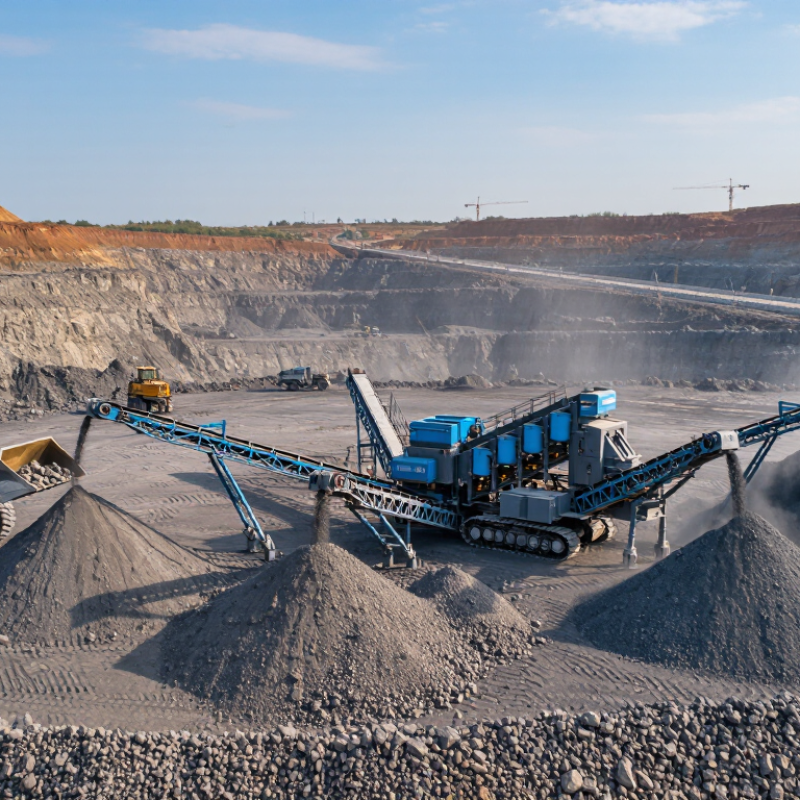
A mobile cone crusher plant is a movable system for reducing hard stone into controlled sizes. It commonly combines a feeder, cone crusher, screen, conveyor, and tracked or wheeled chassis. The machine arrives near the extraction area, limiting long haul distances and reducing temporary road construction.
The cone crusher uses compression rather than impact. Stone enters the crushing chamber, where a rotating mantle presses it against a fixed bowl liner. The final product depends on the closed-side setting, feed size, liner condition, and material hardness. A vibrating screen separates the output, while the conveyor returns oversize material for another pass.
In field inspections, I look at more than rated capacity. A plant may claim high output, yet poor feeding can cause unstable production. Dust still matters. Water sprays, enclosed transfer points, and regular housekeeping help protect visibility and nearby workers. Noise control also deserves attention on urban or roadside projects.
A practical buyer should check transport dimensions, service access, fuel use, and control-system clarity. Operators need training for tramp iron events, liner changes, and emergency shutdowns. It is not effortless. Wet, sticky feed can block screens, while uneven stone can overload the chamber. I have seen a smaller, well-fed plant outperform a larger unit with careless setup. That detail is easy to overlook.
How Does a Mobile Cone Crusher Plant Work?
A mobile cone crusher plant turns large rocks into controlled, usable aggregate. Material enters through the hopper and moves into a vibrating feeder. The feeder regulates the flow, preventing sudden overloads. Inside the crushing chamber, an eccentric shaft moves the mantle against the concave. Pressure breaks the rock into smaller pieces. The discharge setting controls the final size. A connected screen can separate finished material and return oversize rocks for another crushing cycle.
The plant moves on tracks or wheels, so operators can work closer to the excavation area. This reduces haulage distance and fuel use. On real sites, conditions are rarely perfect. Wet feed may stick inside the chamber, while uneven rock can create unstable output. Operators should monitor motor load, vibration, product shape, and chamber level. A common mistake is adjusting the discharge setting too quickly. Small changes matter. Experience still counts.
Tips: Keep the feeder level and remove oversize metal before crushing. Inspect liners, belts, and emergency stops during every shift. Watch for unusual vibration or rising oil temperature. Clean blocked areas only after proper isolation procedures. The best setup depends on rock hardness, moisture, target size, and daily capacity.
A mobile cone crusher plant reduces pre-screened feed between a mantle and a concave. The closed-side setting (CSS) controls the approximate crushing gap: larger CSS values are commonly used for secondary crushing, while smaller settings are used for tertiary and quaternary applications.
Typical CSS ranges: secondary crushing is about 25–50 mm, tertiary crushing about 10–25 mm, and quaternary crushing about 6–12 mm. Actual output depends on feed gradation, chamber design, material hardness, moisture, and screening settings.
Choosing a 2026 mobile cone crusher plant requires more than comparing maximum capacity. Real performance depends on site conditions, material hardness, and daily production targets. A practical inspection should begin with transport dimensions, operating weight, and setup time. Measure the access road. A narrow quarry entrance can make a powerful plant unusable.
The crushing chamber should match the feed material and required product size. Ask about adjustable closed-side settings, liner life, and overload protection. Hydraulic adjustment can reduce downtime during product changes. Automated feeding and level control may improve consistency, especially when operators face changing rock sizes. However, automation is not magic. Poor calibration can still create uneven output and excessive wear. Check whether the control system provides clear alerts rather than confusing data.
Fuel or electric drive options also matter in 2026. Compare actual energy use under load, not only laboratory figures. Dust suppression, guarding, emergency stops, and access platforms should be visible and practical. Service access is easily overlooked. Can a technician safely reach filters, belts, and the chamber? Inspect the maintenance points in person. A five-minute inspection may prevent hours of lost production.
Remote monitoring can help track temperature, pressure, and operating hours. It should support decisions, not replace experienced supervision. Request service records, component specifications, and performance data from comparable applications. Some buyers focus too heavily on peak tonnes per hour. That number may look impressive, yet stable output, fast setup, and affordable maintenance often decide the plant’s real value.
A mobile cone crusher plant can cost $450,000 to $1.6 million in 2026. The package includes the chassis, cone unit, conveyors, controls, and basic screening. High-capacity systems may exceed $2 million. Used plants often cost $180,000 to $850,000, but repairs can quickly narrow that gap. These figures are practical market estimates, not fixed quotations.
The U.S. Geological Survey reported about 1.5 billion metric tons of crushed stone output in 2023. It valued that production at approximately $24 billion. This demand supports strong equipment utilization, especially near quarries and road projects. Research and Markets’ 2025 global report also forecasts continued growth for mobile crushers and screeners through 2030. Location still matters. Shipping, import duties, and local service availability can change the final price substantially.
Operating costs deserve closer attention. A 200-tonnes-per-hour plant running at 70% utilization produces about 1,120 tonnes during an eight-hour shift. Fuel use may reach 25–40 liters per hour, depending on feed size and engine load. At $1.20 per liter, fuel costs roughly $240–$384 per shift. Cone liners, belts, and inspections can add thousands each month. The often-missed cost is downtime. A poorly matched feed opening or wet material can reduce output sharply. I would leave a 10–15% contingency, because real quarry conditions rarely follow the spreadsheet.
Choosing a mobile cone crusher plant requires more than comparing purchase prices. The right supplier should understand your feed material, required output, site access, and working conditions. Ask for documented performance data from projects with similar rock hardness and production targets.
Inspect the cone chamber, screen arrangement, discharge conveyor, and tracked undercarriage carefully. Confirm hourly capacity using realistic feed sizes, moisture levels, and operating hours. A polished brochure may hide difficult assumptions. Request a live test or detailed commissioning plan before signing. Check whether critical parts are locally available and whether technicians can reach your site quickly. Response time matters when a bearing fails during a night shift.
Compare fuel use, liner life, maintenance intervals, transport dimensions, and operator training. The lowest quote is not always the lowest ownership cost. Review the warranty in plain language, including exclusions and labor coverage. Ask for recent customer references, inspection records, and compliance documents required in your region. A reliable supplier should explain limitations without pressure.
I would also leave space for uncertainty. Production can fall when the quarry face changes. A plant sized too tightly may struggle during wet seasons. Include a small capacity margin, but avoid paying for equipment your site cannot feed. Walk through the proposed layout with an experienced operator before purchase. That conversation often reveals practical problems that drawings miss.
It is a movable system that reduces hard stone into controlled aggregate sizes. It usually includes a feeder, cone crusher, screen, conveyor, and tracked or wheeled chassis. It can work near extraction areas, reducing haulage distance and temporary road construction.
Stone enters through a hopper and vibrating feeder. The feeder controls flow and helps prevent sudden overloads. Inside the chamber, a rotating mantle compresses stone against a fixed bowl liner. The closed-side setting influences the final product size. Small changes matter.
The screen separates finished material from oversized particles. Oversized stone returns to the crusher for another cycle. This process helps maintain consistent product sizes. Screen blockage remains possible with wet, sticky feed.
It commonly processes hard rock and other durable stone. Performance depends on hardness, feed size, moisture, and required output size. Uneven stone can overload the chamber. A suitable setup matters more than maximum capacity alone.
Check transport dimensions, operating weight, setup time, liner life, and adjustment options. Inspect overload protection, clear alerts, guarding, emergency stops, and access platforms. Measure the access road carefully. A narrow entrance can make a powerful plant unusable.
Keep the feeder level and maintain a steady material flow. Monitor motor load, vibration, chamber level, product shape, and oil temperature. Avoid changing the discharge setting too quickly. Experience still counts.
Water sprays, enclosed transfer points, and regular housekeeping help control dust. Noise deserves attention near roads, homes, and urban projects. Technicians need safe access to filters, belts, and the crushing chamber. A five-minute inspection may prevent hours of downtime.
Automation can improve feeding, level control, and product consistency. Remote monitoring can track temperature, pressure, and operating hours. However, poor calibration may still cause uneven output and excessive wear. Technology supports supervision; it does not replace it. I may overlook small setup errors.
A Mobile Cone Crusher Plant is a flexible crushing solution that combines feeding, cone crushing, screening, and material conveying on a movable platform. It is designed to process hard and abrasive materials at different locations, reducing the need for repeated material transport. During operation, the feeder delivers raw material to the cone crusher, where compression breaks it into smaller sizes. The screening system then separates finished products, while oversized material can be returned for further crushing.
When choosing a 2026 model, buyers should evaluate crushing capacity, power efficiency, mobility, automation, safety systems, maintenance access, and compatibility with different materials. Cost depends on equipment size, production output, configuration, transportation, installation, and after-sales service. To select the right plant, compare suppliers by manufacturing quality, technical support, spare-parts availability, warranty terms, delivery schedule, and total ownership cost. A careful comparison helps ensure that the selected Mobile Cone Crusher Plant matches the project’s material requirements, site conditions, budget, and long-term production goals.

Ascend